
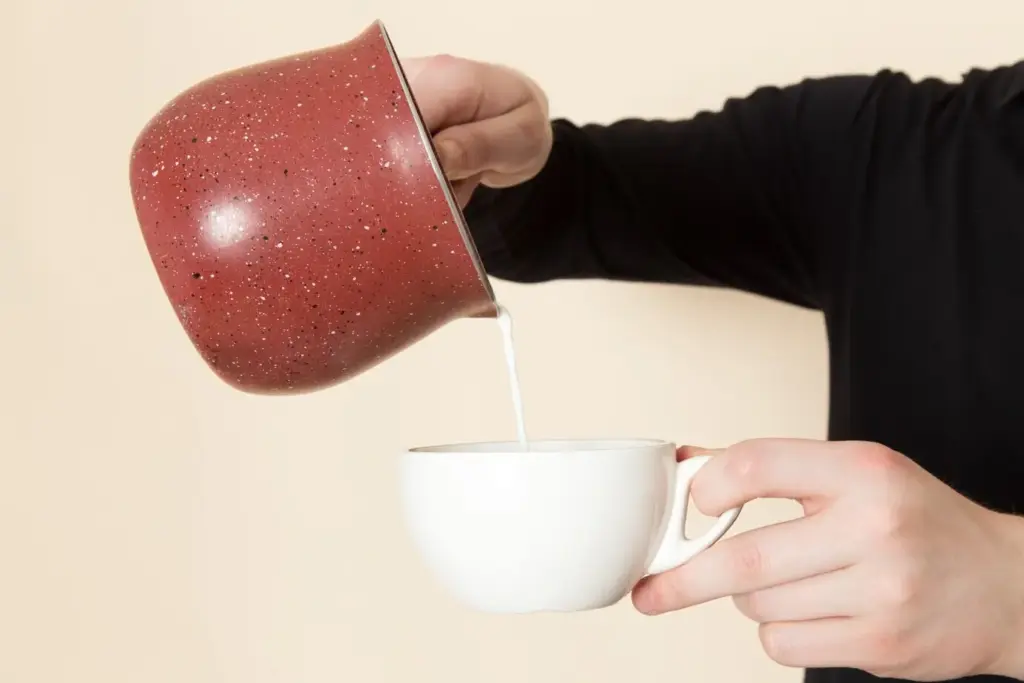




Brew Smarter at Home: Save Power, Save Water, Savor Flavor

Today we dive into energy and water efficiency in home coffee brewing, exploring practical ways to cut electricity use and reduce waste without sacrificing the joy of a delicious cup. From kettles and espresso machines to everyday rituals, discover changes that feel natural, taste wonderful, and save meaningful resources over time while keeping your routine welcoming, flexible, and inspiring.

Understanding Where the Watts and Drops Go

Before saving anything, it helps to see the full picture. Heating water dominates most methods, while idle power, excess preheating, long warm-ups, and overly generous rinses add up quietly. Mapping your current habits reveals surprisingly easy wins that protect flavor, simplify cleanup, and avoid needless repetition while building confidence in repeatable, satisfying daily brewing.

Kettles, Drippers, and the Real Cost of Heat

Heating a liter of water from room temperature to near-boiling can take roughly a tenth of a kilowatt-hour, so every extra fill quickly matters. If your recipe needs 320 milliliters, measuring that amount, plus a small buffer for bloom and rinsing, prevents heating water you will never use, improving both efficiency and consistency.

The Hidden Losses of Over-Preparing

Enthusiasm can lead to preheating everything, repeatedly flushing equipment, and rinsing filters far more than necessary. Gentle preheats and targeted rinses still deliver clean, balanced cups while keeping your routine quick. Small changes like warming only the brewer or cup you need genuinely reduce energy and water use without compromising comfort or taste.

Method Matters More Than You Think

Pour-over, AeroPress, French press, and espresso differ in energy profile and water waste. Manual methods heat water once and keep idle draw near zero, while espresso machines may consume power idling. Choosing a method to match your schedule, batch size, and flavor goals helps align convenience and conservation in a surprisingly satisfying way.

Smart Equipment Choices That Do More With Less

Thoughtful gear reduces losses before you change a single habit. Efficient kettles, thermal carafes, precise grinders, and scales work together to prevent over-heating, over-brewing, and re-dosing. You get reliable extraction with fewer do-overs, smoother cleanup, and fewer trips to the sink, which all adds up to meaningful energy and water savings every week.

Insulated Kettles and Sensible Keep-Warm Settings

Fast-boil electric kettles paired with insulation minimize reheat cycles, while an adjustable keep-warm limited to short windows prevents lingering trickle losses. Measuring volume directly in the kettle or with a pitcher avoids heating extra water, and choosing a gooseneck with good flow control reduces wasteful spilling during pours and eliminates unnecessary rinses afterward.

Espresso Machines With Practical Efficiency Features

Look for eco modes, programmable standby timers, insulated boilers, and responsive thermoblocks if espresso is your daily ritual. These features shorten warm-up, reduce idle draw, and stabilize temperature more quickly. Combined with a smart plug schedule, you can arrive to a ready machine without hours of preheating, preserving energy and morning patience simultaneously.

Grinders and Scales That Prevent Re-Brews

A consistent grinder and a reliable scale dramatically reduce sink shots and over-poured batches. When dose, grind, and yield are repeatable, you avoid brewing again to fix mistakes, saving power, water, and beans. Single-dosing also limits purging stale coffee and makes minor adjustments easier, protecting flavor and the electricity budget at the same time.

Water Wisdom: Right Amount, Right Quality, Right Reuse

Water shapes flavor, cleaning, and equipment lifespan. Measuring only what you need, filtering for taste and scale control, and capturing gentle greywater for appropriate non-food uses all make a difference. Small habits multiply across a month, giving you better coffee, fewer maintenance headaches, and a lower footprint without feeling restrictive or complicated.

Brew Techniques That Lower Energy Without Losing Flavor

Technique changes often deliver the biggest payoffs with the least cost. Careful temperature targets, smaller but smarter preheats, brew-in-batches approaches, and insulated servers reduce repeated heat cycles. By aligning extraction goals with thoughtful steps, you protect complexity in the cup while meaningfully trimming both electricity use and total liters consumed each week.

Warm-Up Strategies That Fit Real Schedules

Use a smart plug or a timer to start preheating shortly before you need your first shot. Many single-boiler and thermoblock machines stabilize in minutes, not hours. Grouphead and portafilter preheats can be targeted rather than exhaustive, avoiding long idle times while keeping shot temperature reliable enough for repeatable sweetness and texture.

Flush Discipline That Protects Both Taste and Resources

Instead of reflexively flushing large volumes, measure a small, consistent stabilization flush and track results in a notebook. Use a small beaker to confirm temperature steadiness and refine the volume over time. You will save liters weekly, preserve boiler heat, and still pull clean, vibrant shots that sit beautifully in milk or stand alone.

Rinse Smart, Wipe More, Soak Less

Swap long faucet runs for a spray bottle and a damp microfiber cloth that quickly lifts oils from brewers and servers. For filters and baskets, short pulses of water are usually enough. Reserve occasional soaks for deep cleans only, saving liters over a month while keeping surfaces sparkling and your routine pleasantly unhurried.

Descale on a Predictable, Minimal Schedule

Scale insulates heating elements and narrows pipes, wasting energy and wasting water during long flushes. Use filtered water and descale on a schedule guided by hardness. Regular, gentle care keeps heat transfer efficient and shortens rinse cycles afterward, protecting both flavor and your machine’s longevity without resorting to excessive cleaning rituals or harsh chemicals.

Track, Share, and Celebrate Your Progress

Turning good intentions into results requires simple tracking and community. A plug-in power meter, a tally of liters, and a brewing journal make improvements visible and encouraging. Share your favorite routines, subscribe for new ideas, and help others learn from your wins so every cup tastes better and costs fewer resources.

Run a Quick Home Audit

Measure baseline kettle energy, idle machine draw, and average water per brew for one week. Then apply two changes and measure again. Seeing real numbers reinforces habits far better than guesswork, and the improvements often feel immediate in your schedule, your cup quality, and your utility bills over a surprisingly short period.

A Small Story About Big Savings

One reader insulated a kettle, stopped boiling to rolling temperatures, and brewed once into a thermal carafe. In four weeks, they cut daily energy by nearly a third and halved rinsing water, while reporting brighter flavors and calmer mornings. Simple, kind changes genuinely compound into confidence, savings, and better coffee every day.

Join the Conversation and Keep Learning

Share your most efficient recipes, your favorite eco settings, or your flush volumes for different machines. Ask questions, request comparisons, and suggest experiments you want tested. Subscribe for new strategies, seasonal guides, and community challenges that turn mindful brewing into a friendly habit that tastes great and feels genuinely responsible.

Fexufulaneputevi
Privacy Overview

This website uses cookies so that we can provide you with the best user experience possible. Cookie information is stored in your browser and performs functions such as recognising you when you return to our website and helping our team to understand which sections of the website you find most interesting and useful.